Achieving Goals With Low Energy

Achieving Goals DIfferently
Achieving goals can feel frustrating when your energy doesn’t cooperate.
If you live with low energy, chronic fatigue, burnout, or simply don’t have the capacity to push at the same pace as others, traditional goal-setting advice can feel unrealistic – and sometimes shaming.
The truth is, you can still make progress. You just need a different, gentler approach; one that works with your energy rather than against it.
Just because you might need a little longer to process things or to understand things, it doesn’t mean you’re not capable or that you’re never going to achieve your goals!
Where does this belief around achieving goals that “if we don’t do everything as quickly as possible we’re failing” come from? In my years as a teacher & as a mum, it’s ridiculous to think of everyone as the same.
We all process things differently & if there’s any neurodiversity thrown in the mix, a one-size-fits-all definitely isn’t going to be the answer for you!
In this blog I talk about my own experiences, and look some key steps to achieving goals when it doesn't feel possible.
*Affiliate Disclosure: Some links in this post may contain affiliate links. If you purchase something via the link, I may receive a small commission. This doesn't affect the price you pay.
If you have any questions, reach out for a chat [email protected] or check out my other blogs
Table of Contents
When Traditional Goal-Setting Doesn't Work
A lot of the advice around achieving goals assumes:
- consistent energy
- long working hours
- the ability to “push through”
- steady motivation
For those with low energy, this approach often leads to:
- burnout
- guilt when plans aren’t met
- abandoning goals altogether
- feeling “behind” or not good enough
The problem isn’t your motivation, commitment, or discipline, it's that the traditional system wasn’t designed for how you function, and for your own natural energy cycles.
Progress Without Burnout
Gentle or slow productivity is about taking consistent, small, intentional action, even when your capacity or your energy is limited.
It’s not about doing more, it’s about doing what’s sustainable and working with your energy. Instead of feeling like you have to push to keep up, it focuses on:
- small, intentional actions
- realistic consistency over intensity
- pacing rather than pushing
- flexibility and being responsive to how you feel today and working with your energy
- resting before you get closer to exhaustion
- knowing you are progressing, even if steps are tiny

Download your free copy of the Thought Shifting Mini Journal with Prompts.
Redefining What Success Looks Like
Your goals are the same whether you have low energy or not, but your mindset about how you approach your goals is what will be a little different. Once you are in a place of acceptance with your energy, health condition or other limitations, it becomes easier to redefine your approach to goals with confidence.
Doing things differently doesn't mean you cannot achieve the goals or success you're working towards, just that it may be at a different pace, or a slightly different outcome.
In the day to day of things, success isn't about asking yourself “Did I do enough?”, but more about “What was realistic for me today?” Or, “How could I make things easier, or what changes do I need to make to enable me to continue to make progress?”
Some days, success may look like:
- choosing rest as preparation, not avoidance
- showing up for 10-15 minutes instead of an hour
- completing one small task rather than an entire list
- stopping before exhaustion sets in
When you consider what your progress would look like if you worked with your energy, you can begin to think in a more flexible way, making adjustments on low-energy days that support your energy as well as the work you're doing.
Gentle Goal-Setting for Low-Energy Days
When you approach your work with a gentle, more flexible mindset, it will enable you to adapt plans, work at a consistent pace, and still make progress.
The key with achieving goals with low energy is to focus on flexibility and simplicity:
- Set fewer goals – prioritise one task
- Break goals into micro-steps
- Using your action list, focus on one micro-step at a time instead of the whole list
- Create a bare minimum plan alongside your regular plan
- Plan for extra rest and shorter focus sessions
- Adapt to your energy in the moment, and step away before you have to
Low energy days isn't about lowering your standards, or not being bothered to show up – it's creating realistic goals that you can sustain over the longer term.
My own chronic illness flares often, which can lead to more low energy days than normal. Duirng these times I don't give myself a hard time, I adapt and I assess how I'm feleing on the day. I manage expectations, prioritise what I need to do, and the rest gets pushed back.
Things may take a little longer, but it stops me from crashing out completely and potentially being unable to work for weeks at a time. The key thing for me is, acceptance of these slower days. I don't judge myself or feel guilt, I simply adapt and move on.
Letting go of feeling inadequate due to my needs, gentle productivity and a slower approach to growth has enabled me to achieve so many goals; that after becoming unwell, I didn't believe I would be able to.
Working With Your Energy, Not Against it
Because low energy fluctuates – sometimes lasting only a day or two, but potentially for weeks at a time; gentle productivity is something that everyone should embrace. You may have low energy because of your own health issues, the season of life you're in, a busy lifestyle or mental health issues.
Dealing with the inconsistency and lack of certainty can be challenging at first. One day you may feel focused, energised and capable, but the very next day you're exhausted, with brain fog and unable to concentrate. This uncertainty can make life challenging and at times, frustrating.
Gentle or slow productivity allows you still be consistent and to mainatin some control over your days or weeks. When you plan in a way that supports flexibility, and allows for these bare minimum days, you can still feel confident that you are doing okay.
If you're a business owner, make use of SOP's, get into a habit of batch creating things so that you can easily step back on low energy days. If you're working towards a goal, adapt your plans and don't underestimate timelines.
Get into a routine of checking in with yourself each morning, and listening to your mind and body. Adjust your own expectations (with compassion), and see the value in each small step you take.
Recognise When Things Need to Change
Acceptance is the key to being able to move forward as a person with low energy. When you are able to think proactively without judgement, you can be more realistic when you plan or commit to new things.
I support others who live with chronic illness as a therapist, and this first step is what usually brings that biggest change to their lives. Letting go of the unrealistic expectations that they often put upon themselves, and actually looking at what they can and cannot do is freeing.
Personally, I realised that when I pushed myself to the limit that caused yet another flare up, it was because:
- I didn't make allowances for my health / energy fluctuations.
- I tried to keep up with an unrealistic pace as soon as I had a little more energy.
- I crammed too much into my days.
- When I didn't achieve all the tasks in one day the list just got too long so I stopped looking at it which meant I lost track and didn't prioritise well. This just added to the pressure and level of stress.
- I hated the idea of rest as a choice. When you're forced to rest because your body won't move – the idea of choosing to rest felt like torture.
- I didn’t take care of myself (rest, sleep, nutrition, time out).
- I didn’t feel good enough.
- I didn’t believe in myself or my ability to actually achieve the goals I set.
A Quiet Reminder: You Are Not Behind
One of the hardest parts of having low energy is the feeling that you’re falling behind; behind others, behind your plans, behind where you thought you’d be.
But achieving goals at a slower pace doesn’t make them any less meaningful. In fact, goals reached through self-understanding and compassion often lead to deeper confidence and long-term change. You're learning how to move forward in a way that respects your body, your mind, and your life as it actually is.
Progress is still progress, and gentle consistent habits is key to achieving goals with low energy.
Tips for Achieving Goals With Low Energy
- Revisit your reason why: Become clear on what your true goals are. What change will achieving these goals have upon your life? Connect with that vision and the emotions you feel.
- Goal check: Are your goals your goals, or what you think you should aim for? Reconnect with your dream! Visualise, meditate and take the time to explore what life will look like once you achieve them. If they don't feel aligned anymore – pivot!
- Review: Identify your strengths and limitations. Understand what makes you tick, and how you work best. Think about what you want more of, and what you need to let go of as you move forward.
- Energy Check: Get to know your energy cycle. Create plans that will compliment and embrace your natural energy. All energy ebbs and flows, but for those who manage energy related illnesses, this is crucial.
- Create a Plan B / Bare Minimum Plan: Create a plan where your can focus on the bare minimum during those times your energy is low. This keeps your mind ticking over, but allows plenty of time to rest.
- Stop Comparison: Commit to no longer comparing your timeline with others – especially with those whose situation is totally different to your own. Comparing your progress as someone's whose energy levels sit between 50-70% of those without low energy isn't relative, so won't make sense. It's like comparing the skills of a beginner with a pro.
- Show yourself compassion: Become your biggest supporter. Don't think badly of yourself if you're unable to do something due to energy, or you process things differently to others.
- Remove unrealistic expectations: Allow yourself to achieve your goals in a way that is balanced, and less pressured. We all have our own unique needs, learn to work with them instead of fighting to fit with the methods of others.
- Rest is your friend: Have courage to do what you love, and take breaks as often as you need to.
- Find your pace: When things are forced, things become difficult. Know your limits, and use tools to help optimise your time when you are able to work.
Final Thoughts…
Achieving goals with low energy isn't something to feel any shame about – we're finally in an era of anti-hustle and slow productivity.
If you relate to any of what is discussed in this article, firstly I want to say – how incredibly proud of you I am. I know it's not easy – yet here you are, still gently moving forward as best you can. Remember that you are capable, it’s about how you can use this understanding to find a way forward that supports and energises you. A plan that embraces who you are and how you learn as you focus on achieving goals.
It’s not a race, and once you find what works for you, you will find the best way for achieving goals in a way that empowers you.
Tools, Resources & Support
In each post I share some of my favourite tools, resources and strategies.
Time Audit – Gain a clear understanding of exactly where your time and your energy is spent. Highly recommend doing this if you're planning to focus on increased productivity.
Pacing Planner – Designed to help you manage your energy, perfect if you live with health conditions like ME/CFS, burnout, or simply prefer a gentle approach to your daily productivity. Undated Pacing Planner Printable. Compatible with your favourite Digital Note taking apps like Goodnotes.
90-Day Planner – This printable 90-Day planner is the perfect companion for you as you set your focus for the next 3 months. Use it every 90 days to help build consistent habits and achieve your goals with ease. With a focus on intentional planning and moving forward at your own space, it's the perfect companion to see you through to the end of the year.
Impact Stationery – Have you ever dreamed of creating your own high-end stationery products? The brilliant Laura has an amazing course & community designed to help you create premium printed products (planners, journals, decks etc.), that you can market on Amazon, or your own website. It's not KDP, these are not print on demand. The quality of the products produced within the community are incredible, with many seeing incredible returns already.
Task Batching Brain Dumps – Learn how to batch your tasks with these handy worksheets + Braindumps
Eisenhower Matrix – Included in this pack of “Anti-Procrastination” worksheets, the Get it Done bundle includes tools for goal setting, prioritising & more!
I'd love to hear your thoughts below!
If this post helped or you enjoyed reading it, please share one of the images below as it really helps my blog – Thank You!


Meet Lynsey
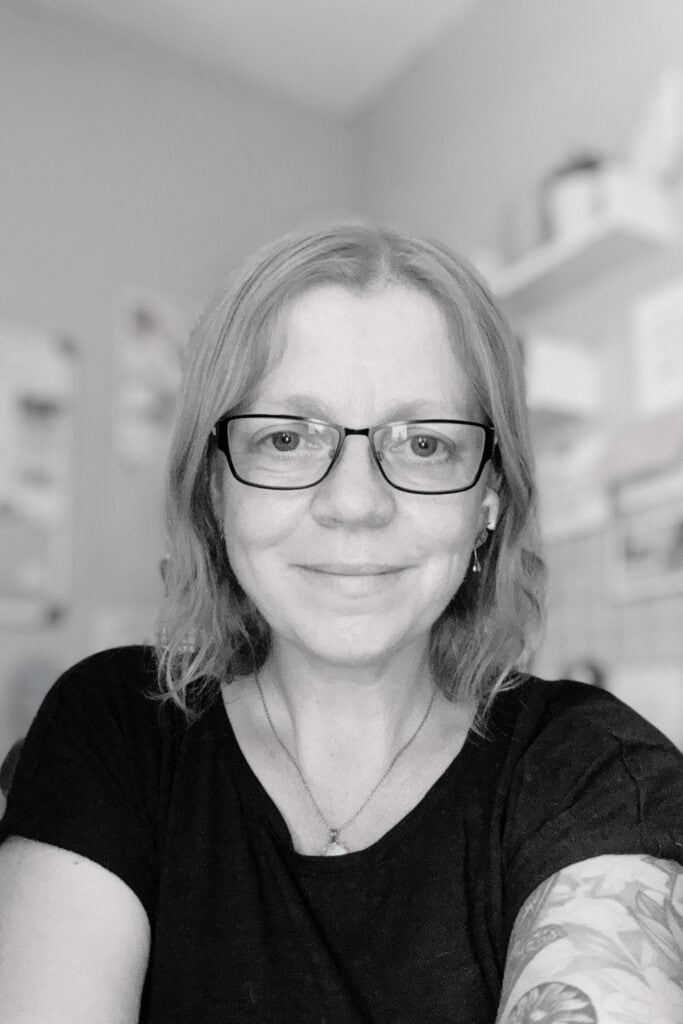
Hey there! I'm Lynsey, a counsellor, coach and mentor for women who want to create change, but are feeling lost, uncertain and exhausted. With over 7 years’ experience of training, running businesses, and over a decade as a tutor and adult trainer, I've learned the value of a gentle and intentional approach to work and life that energises you without draining all of your energy.
I've lived with ME/CFS since 2011, and since then re-trained as a counsellor, and achieved a distinction for my Masters in Counselling and Psychotherapy Practice; all while running 4 businesses!
How? Improving your mindset, finding acceptance in yourself, and developing a gentle, but solution-focused approach to achieving goals is key. Knowing that it's not about how fast you move, but finding your own pace and trusting that you can achieve your goals in your own way, one step at a time.
If you'd like to know more about working with me, you can email [email protected] or find me on socials (links in the menu)
Have you seen my online store Quietly Conquer – Find DFY templates, downloads and more!